
Discarded, Ditched, and Dumped – Rubbish Photography
We live in a throw-away society in a world with limited resources. Perhaps, an appreciation of the resources, and the time and the energy-intensive multistep manufacturing processes that went into making many of the things that we discard so readily, might foster a greater interest in recycling and better stewardship of our resources.
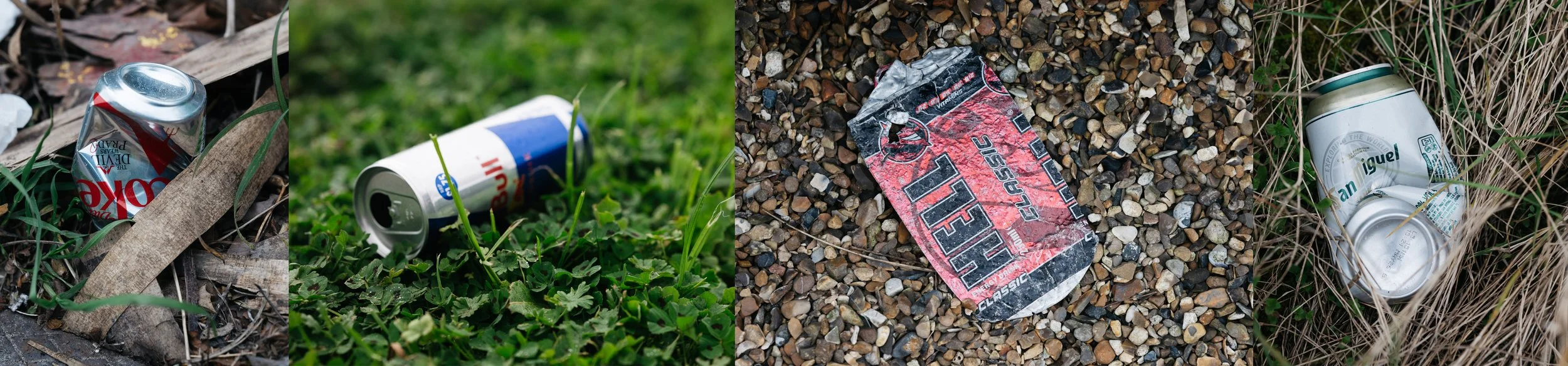
Aluminium beverage can
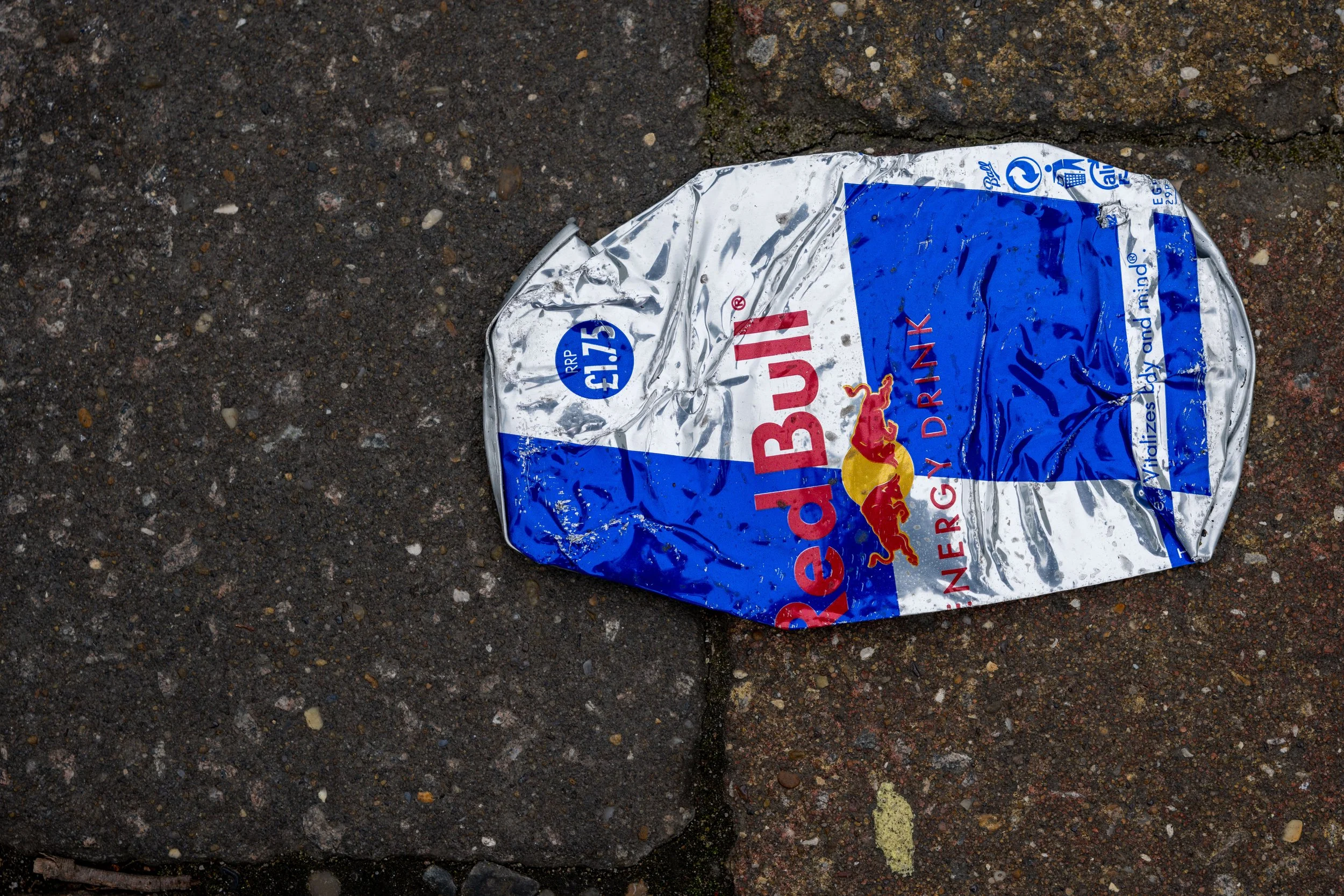
“Wiiings” won’t help this can now!
Red Bull Can
It once gave a student some wings,
And helped them do marvelous things.
But now it's been squashed,
Soon to be washed,
To see what the next life-cycle brings.
Footnote - The fate of 30% of the 420 billion aluminium beverage cans produced each year is to be tossed away with little or no hope of recycling. The disdain for the empty can is at odds with the complex multistep energy and resource-intensive processes required for its manufacture. The production of an aluminum can starts with mining of the mineral bauxite. This is crushed and then digested with hot caustic soda. Cooling of the digest and precipitation produces solid aluminum hydroxide which is dehydrated by heating at 2,000 °F to form alumina. This intermediate product is subject to an electrolytic process and this leads to molten aluminium which is then cast into ingots. A heating and rolling process converts the ingot into a thin sheet of aluminum. Circular “blanks” are punched from the sheet and the blanks formed into cups which are then stretched in a “body maker” to produce the can. The can is then trimmed, washed, coated with a protective internal layer, and printed with branding before being shipped to beverage companies for filling.
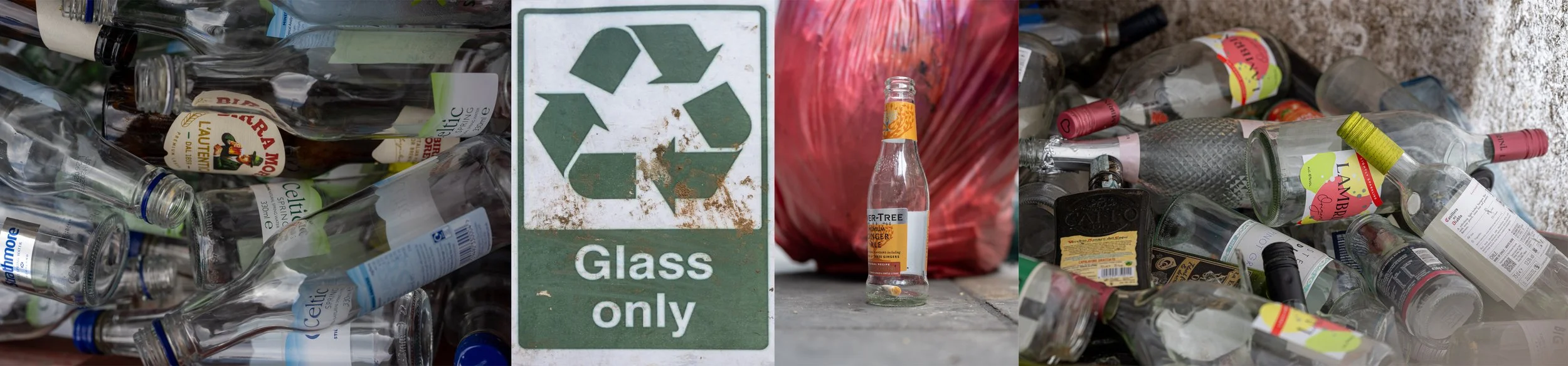
Glass Bottles
At least I am upright which is more than can be said for the person that drank me!
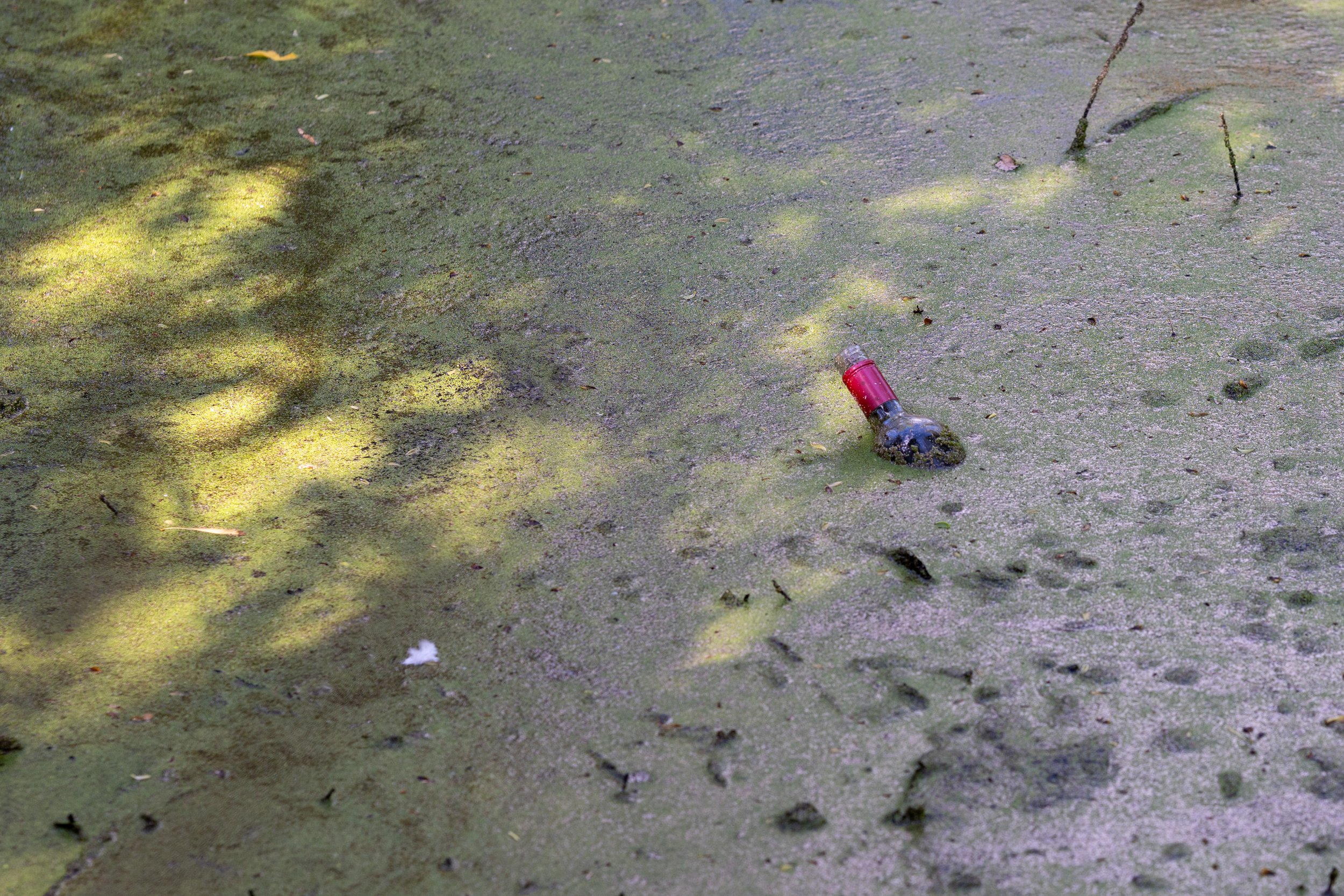
Wine Bottle
An empty wine bottle of glass,
Through murky canal depths did pass.
"I'm destined for more
Than this sludge on the floor —
Recycle me, lad or a lass!
Footnote Glass containers – bottles and jars – can be found almost everywhere, as can their sharp shattered remains. Global production of glass bottles surpassed 650 billion units in 2024, with over 350 billion units consumed in the beverage sector alone. Regrettably, less than one third of glass containers (bottles, jars) are recycled. Once again, the product of a resource and energy intensive process is not being managed properly. The starting point for glass is silica sand (mined from high-silica deposits not from the beach!). The sand is mixed with soda ash, limestone and cullet (recycled glass that aides melting). These dry ingredients are mixed and fed into a furnace and heated to 3100°F. After removal of bubbles and impurities the molten glass is cut into chunks (gobs). The gobs are fed into a molding machine and the resulting red-hot bottles passed into a temperature-controlled oven for cooling. In a final quality control step, high-speed cameras and sensors scan the bottles for cracks, bubbles, or uneven thickness. The bottles are then shipped to customers for filling and branding.
Limericks written using Google (AI mode)
This project is a collaboration with my brother Professor L. J. Kricka